
Plastic Surgery Myths vs Facts: Let's Set the Record Straight!
Plastic surgery is one of those topics where almost everyone has an opinion, but very few of those opinions are actually based on facts. Most of what circulates comes from old stereotypes, social media exaggeration, or a handful of extreme cases that get way more attention than they deserve. The result is a lot of confusion, and sometimes that confusion stops people from getting accurate information when they actually need it.
So let us go through some of the most common myths floating around and set the record straight, one by one.
Plastic Surgery Is Not Just for Women
There is a long-standing assumption that plastic surgery is something only women consider. That has not been true for a while now, and the numbers make it pretty clear.
More men are walking into plastic surgery consultations today than ever before, for reasons that mirror exactly what brings women in. Rhinoplasty, liposuction, hair restoration, gynecomastia correction, the list keeps growing. Some are looking to correct something that has bothered them for years. Others are recovering from an injury or addressing a medical condition. None of that has anything to do with gender. It is about health, confidence, and in many cases, reconstruction, and treating it as a women-only space says more about outdated thinking than it does about who actually needs these procedures.
It Is Not Just About Looks Either
People tend to assume plastic surgery exists purely for appearance, but that overlooks a huge and important part of the field.
Reconstructive procedures fall under the exact same medical specialty as cosmetic ones. Someone recovering from a serious burn, a road accident, or a mastectomy often needs reconstructive surgery just to regain normal function, not just appearance. Children born with cleft lip or other congenital conditions rely on this same field for procedures that genuinely change their quality of life. Calling all of this "vanity" overlooks the medical necessity behind a huge portion of what plastic surgeons actually do every day.
Liposuction Has Nothing to Do With Being Lazy
This myth probably causes more unnecessary guilt than any other one out there.
Liposuction was never designed to replace a healthy lifestyle, and it does not work that way medically either. It targets stubborn fat that does not respond to diet or exercise, not fat in general. It is meant for people who are already at a stable, healthy weight but have specific pockets of fat, often around the abdomen, thighs, or chin, that resist diet and exercise no matter how consistent someone is. Genetics plays a much bigger role in fat distribution than most people realize, and no amount of willpower changes that. Liposuction addresses that specific, stubborn problem. It was never meant to be a substitute for overall weight loss, and any surgeon worth seeing will be upfront about that during a consultation.
You Cannot Just Pick a Celebrity's Face and Get It
This one shows up constantly, usually with a phone full of saved photos.
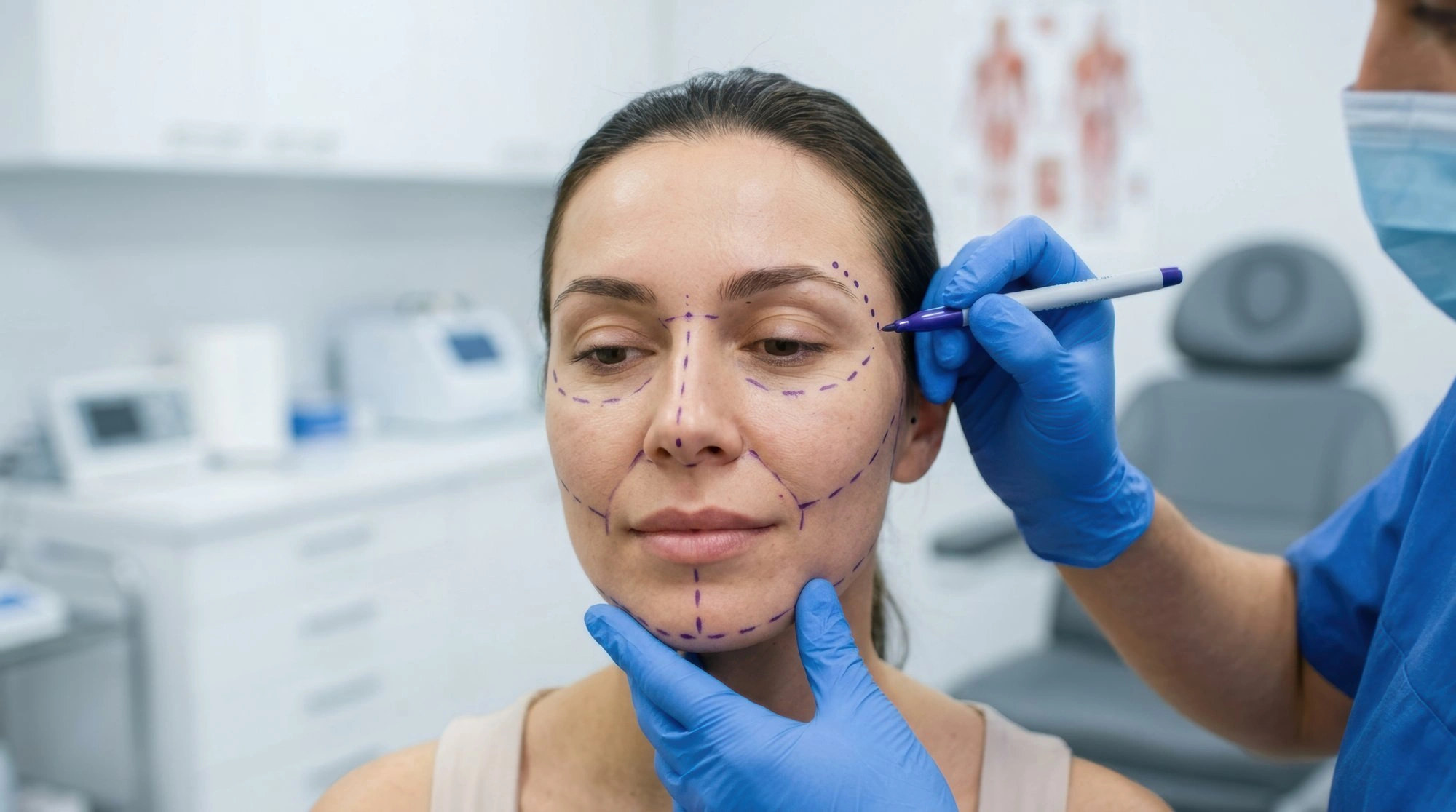
Surgery enhances your natural features. It does not replace them with someone else's. A good surgeon is not working off a printout of someone else's nose or jawline. They are working with your bone structure, your skin, your proportions, and what will actually look balanced on your face specifically. What looks stunning on one person's bone structure can look completely out of place on someone else's. This is why an experienced surgeon will often steer the conversation away from "give me this exact feature" and toward "here is what will genuinely suit you." It is a more thoughtful approach, and it is also the only approach that produces results that hold up over time.
Trust the Science, Not the Hype
Plastic surgery gets misunderstood because people are working off rumors instead of facts. The reality is far less dramatic and far more reasonable than what circulates online. It is a legitimate medical field built on training, careful judgment, and a genuine understanding of what works for each individual person, whether the goal is restoring function after trauma or simply feeling more confident in your own body.
Dr. Smriti Nathani believes that good decisions start with good information. If you have questions about a procedure, or you have heard something and are not sure whether it is true, the best next step is always a real conversation, not another scroll through social media. Come in, ask the questions you want answered, and get clarity from someone who can give it to you honestly.